The trade war between Canada and the United States entered a more aggressive phase Monday morning when U.S. President Donald Trump announced sweeping new tariffs targeting Canadian manufacturing and steel production.
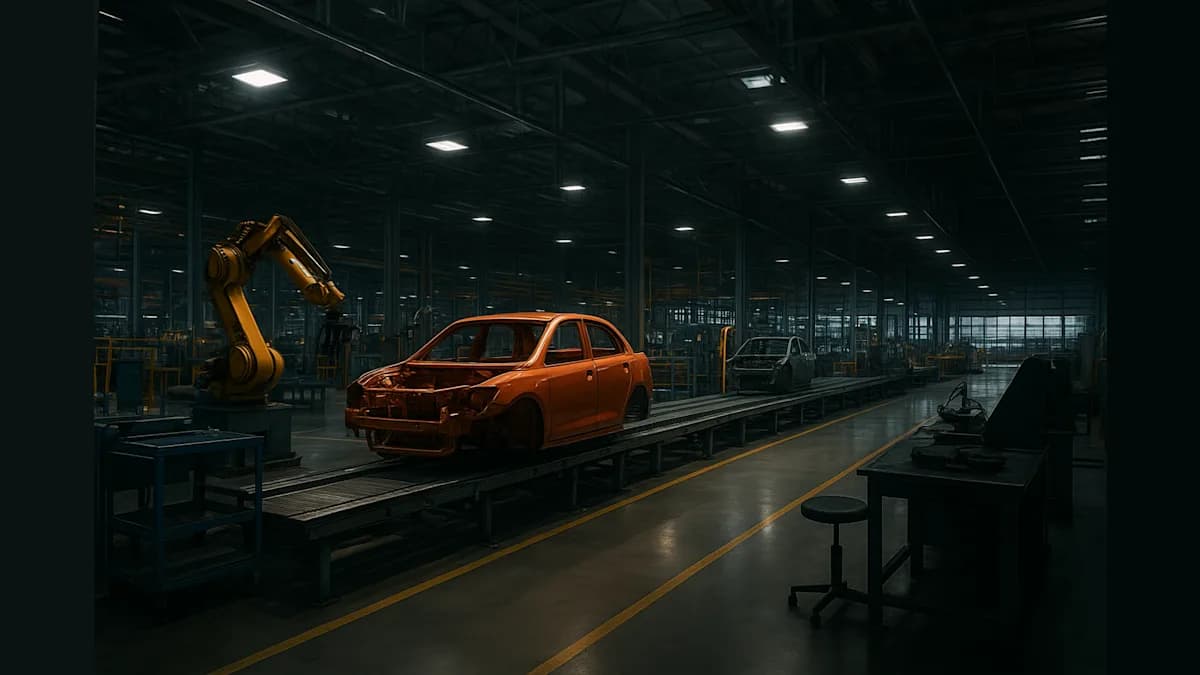
In a post to Truth Social, Trump declared that tariffs on Canadian automobiles, trucks, automotive parts, and steel will jump to 50 percent effective January 1, 2027. The president framed the measure as an incentive for manufacturers to relocate south of the border, writing that companies that "Build in the U.S." would face "ZERO TARIFFS."
Trump's announcement accused Canada of maintaining unfairly high tariffs on American agricultural products, claiming these policies have created a $60 billion trade deficit between the two countries. He also posted that Canada would no longer be "treated like a State."
The escalation follows the collapse of trade negotiations between the two nations over the weekend. Prime Minister Mark Carney suspended talks after the U.S. introduced what he characterized as last-minute demands that would have damaged Canada's automotive sector, limited the country's ability to pursue independent trade agreements, and undermined protections for Canadian culture and sovereignty.
Speaking in Ottawa on August 22, Carney announced that Canada would respond with matching 50 percent tariffs beginning September 8. The retaliatory measures will target multiple American industries including steel, dairy, appliances, agricultural equipment, pulp and paper, and electronics. Carney indicated the response would also address products currently facing what he called unjustified section 232 and 338 tariffs.
The Prime Minister characterized Canada's approach as a "dollar-for-dollar" response to American trade actions, signaling that our country will not back down from defending its economic interests in the face of escalating pressure from Washington.
The automotive industry represents a critical component of trade between the two nations, with integrated supply chains that cross the border multiple times during vehicle production. The threatened 50 percent tariff rate would represent a significant disruption to manufacturers operating in both countries.