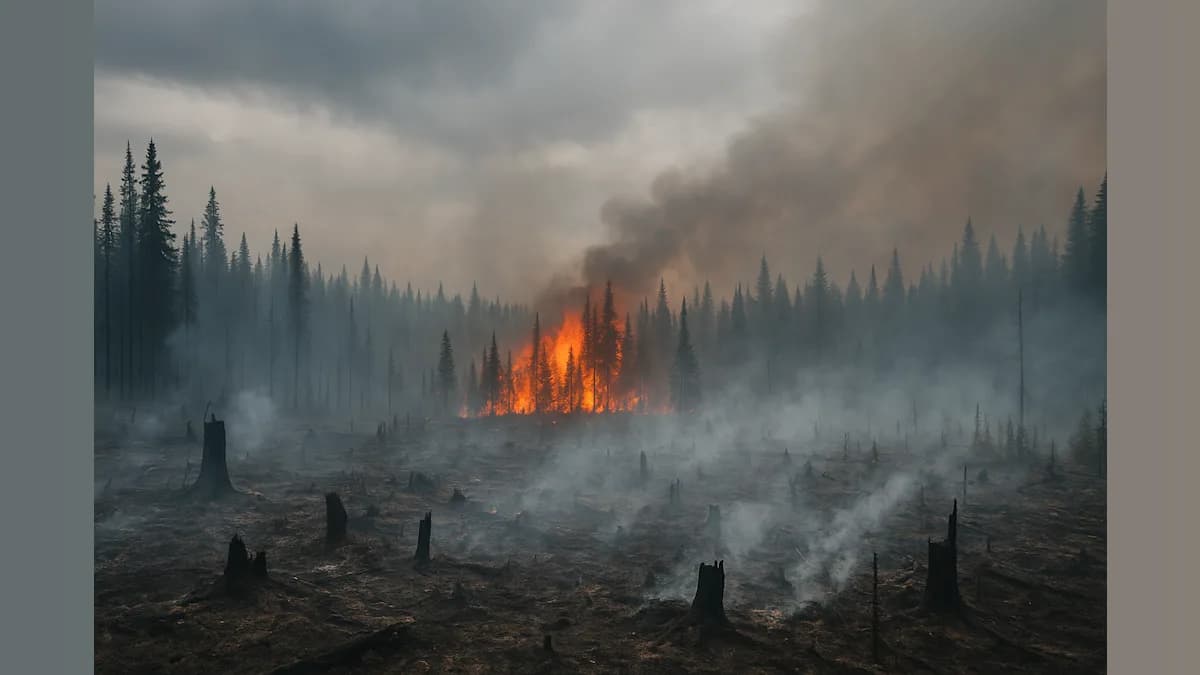
Our neighbors to the north are facing an unprecedented wildfire crisis. Ontario's Ministry of Natural Resources reported 173 active wildfires burning across the province's northern regions as of this morning, with 12 new blazes ignited within the past day alone.
The scale of destruction has shattered historical records. Early estimates indicate that more than 7,250 square kilometres of forest have been consumed by flames this season—surpassing any previous year in Ontario's documented history. To put that in perspective, that's an area larger than the state of Delaware.
The human toll has been severe and concentrated. Most of the current fires have erupted within the last 10 days, displacing more than 1,800 residents from their homes. The crisis has disproportionately affected Indigenous communities, with 12 of the 13 evacuated communities being First Nations.
On Tuesday, First Nations leaders demanded accountability, calling for a public inquiry into Ontario's wildfire response. The leaders accused provincial authorities of leaving communities to manage evacuations largely on their own, without adequate or timely support during the emergency.
Premier Doug Ford defended his government's actions earlier that same day, stating that officials had done everything possible to respond to the wildfires. Provincial authorities have explained that some fires spread with such alarming speed that they were only detected once they posed an immediate danger to First Nations communities.
The situation underscores the growing challenges communities face as climate patterns shift and fire seasons intensify. As Ontario grapples with this historic crisis, the debate over emergency preparedness and equitable resource distribution for remote communities continues to intensify.